From Global Guidance to Local Practice: UNESCO Launches Three New ESD Guidance Tools
UNESCO releases three new guidance tools for Education for Sustainable Development (17 September 2026), developed through the Transforming futures action research project. Our contribution, the DARE ESD learning assessment framework, was co-authored with Jordan King and Aaron Redman.
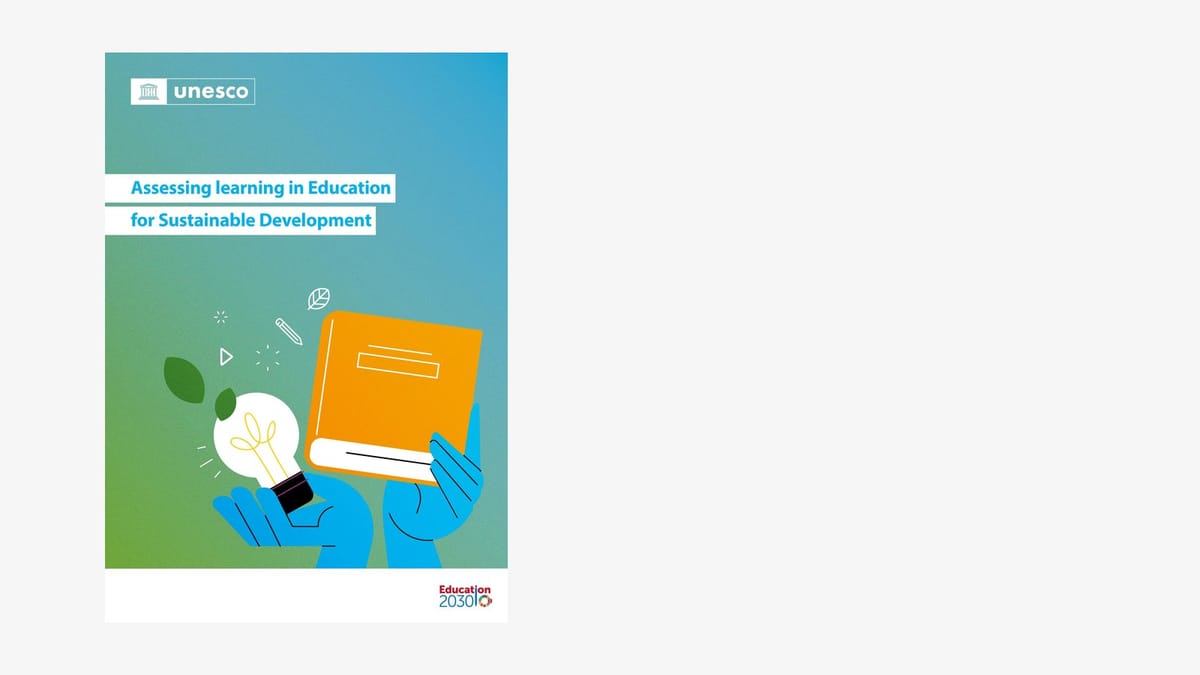
On 17 September 2026, UNESCO released three new guidance tools for Education for Sustainable Development (ESD), developed through the Transforming futures: Enhancing practice for ESD for 2030 through action research project. The toolkits address three complementary dimensions of educational practice: learning assessment, pedagogies and competencies, and the whole-institution approach. Co-created and tested across 41 learning institutions in 10 countries, the tools are meant to bridge from global guidance into everyday classroom, school and campus practice.
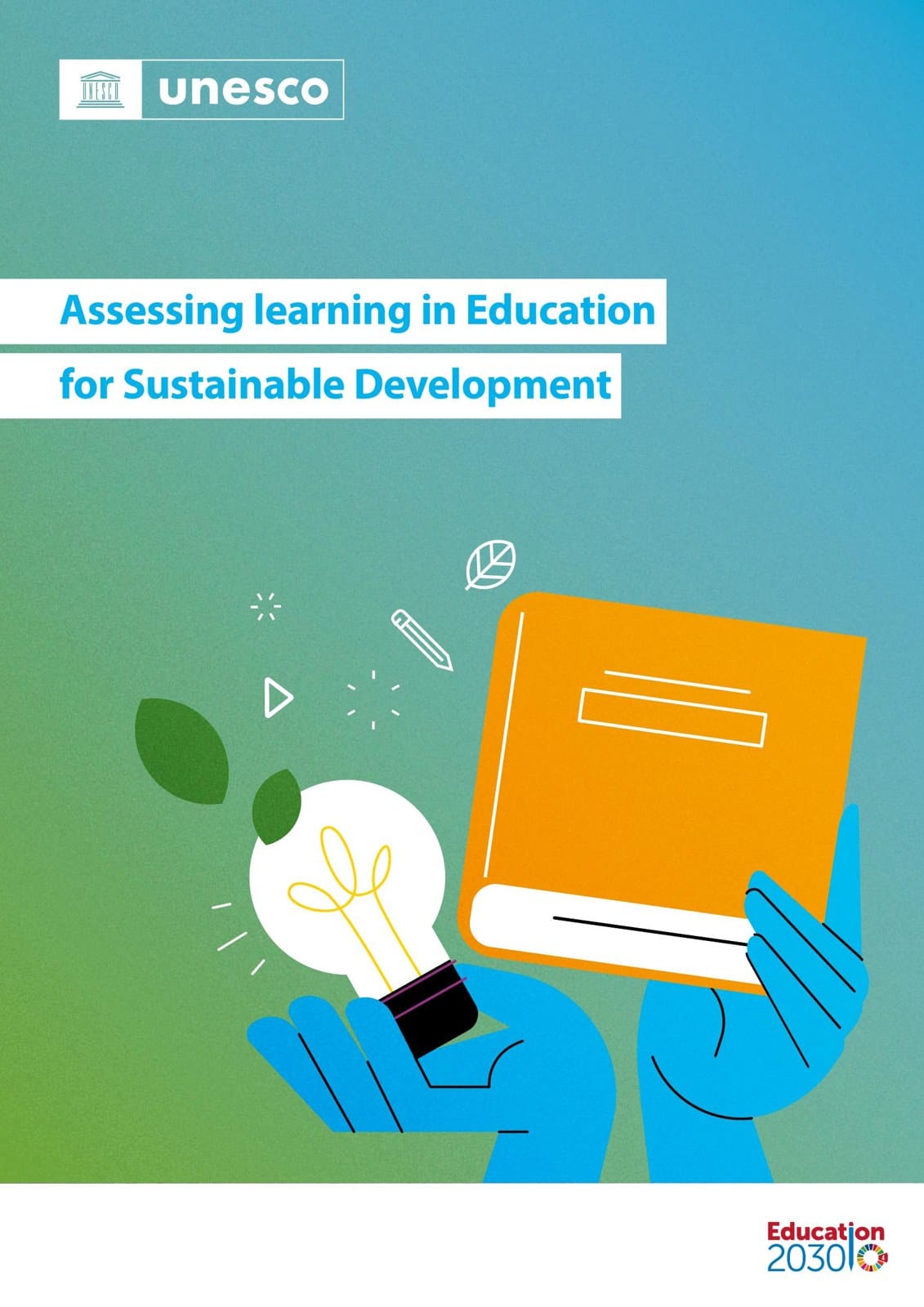
Daniel Fischer led one of the three tools, Assessing learning in Education for Sustainable Development, together with Jordan King (University of Tennessee at Chattanooga) and Aaron Redman (Arizona State University). The tool introduces the DARE ESD Learning Assessment Framework, a practical, step-by-step process (Describe, Appraise, Redesign, Evaluate) that helps educators rethink assessment so that it reflects the participative, normative and integrative ambition of ESD. The publication combines an overview and detailed instructions with case examples, worksheets and ready-to-use assessment instruments.
Grounded in action research. Each tool was piloted with country teams and schools in Brazil, Costa Rica, Côte d'Ivoire, Cuba, Germany, Japan, Kenya, Malaysia, Romania and Slovenia. The feedback and experience that educators, school leaders and learners contributed from their settings has shaped the guidance from the inside out.
The set of three guidance tools:
- Fischer, D., King, J., & Redman, A. (2026). Assessing learning in Education for Sustainable Development. UNESCO. ISBN 978-92-3-100896-2. DOI: 10.54675/LEEH7689.
- Didham, R. J. (2026). Enhancing pedagogies and competencies for sustainability. UNESCO.
- Kohl, K., Hopkins, C., Toman, I., & van't Land, H. (2026). Driving sustainability in education through a whole-institution approach. UNESCO.
Further reading and viewing. The UNESCO news article on the release is available here; the recording of the launch webinar (17 September 2026) is on YouTube.
The conceptual framing that underpins the DARE process is elaborated in an open-access companion article: Fischer, D., King, J., & Redman, A. (2025). Rethinking Learning Assessment in Education for Sustainable Development: A Call for Action. Journal of Education for Sustainable Development.
The guidance tool was developed with the support of the Government of Japan through the Japanese Funds-in-Trust (JFIT), and coordinated by UNESCO's Section of Education for Sustainable Development. Our thanks go to the ten country teams, to the schools, educators and learners who piloted the tool, to the international advisory group whose questions kept the work honest, and to the many colleagues in the ESD-Net and ESD for 2030 community who commented on drafts along the way.