


FoodLabHome | Online module
How are food waste and the climate crisis connected, and what can each of us do? The online module from the FoodLabHome project uses videos, graphics and facts to guide you through the topic.
Classes can use it together with their teachers, for example alongside measuring with the Food Waste Tracker.
Introduction
In Germany, almost a third of the food produced for human consumption is lost between field and plate. More than half of this is produced in private households, and most of that is avoidable. The good news: we can all do something about food waste and do something good for climate protection at the same time.
Find out how – our learning resource will help you. Just click through the chapters on this page.
And don’t forget to find out how much food waste is produced in your own home! Our Food Waste Tracker will help you. You can save your entries over several days and check how your waste and its impact on the climate change over time.
We hope you enjoy learning and researching.
Food waste basics
What is “food waste”?
What do you think of when you hear the words “food waste”? A banana peel? Leftovers on your lunch plate? The organic waste bin?
By food waste we mean all parts of food that, in your household, are
- thrown away as rubbish
- used as compost or fertiliser
- fed to animals
- or otherwise used or disposed of without being eaten by people.
This includes, for example, leftovers from meals that are actually still edible, spoiled products and unprocessed food after storage.
We often throw away food that could actually have been eaten. Such avoidable waste has a high climate impact and is therefore particularly interesting. Use the Food Waste Tracker to find out
- how much of this waste is produced in your home
- how big its impact on the climate is
- why you throw it away
- and what you can do about it yourself!
Please note: the calculator does not yet know most drinks. And you shouldn’t “feed” it bones, stones or peels that people can’t eat. Only waste that can be avoided belongs in the tracker.
There are certainly many parts of food that you consider inedible or unavoidable. However, since this is often a personal or cultural decision, you should also look at such food waste. Maybe you’ll later have surprising ideas for what else can be done with it!
Quiz on (un)avoidable food waste
Some waste is easy to avoid, some is not. To protect the climate, the waste that can actually be avoided is particularly interesting. Which is it?
Here you can see various parts of food. For each card, first think about whether you consider it avoidable, i.e. whether you would eat it. Click on the card to see the answer.
Apple coreBlended in a smoothie or apple purée, an apple core is much better off than in the bin.
Pineapple skinPineapple skin is hard for us to chew. But be careful when cutting it off – the valuable vitamins sit right underneath!
Stale breadBread tastes best fresh, of course. But once it has gone hard, it can become tasty breadcrumbs, bread dumplings or croutons for salad.
FishMaybe you don’t like fish yourself. Even so, it can be food for others, so it shouldn’t end up in the bin.
Carrot greensCarrot greens can be used, for example, to season salads or make a delicious pesto. Give it a try!
Carrot peelMost of the vitamins are in the peel. So it’s better to buy organic and enjoy the whole vegetable, well washed!
BonesBones can be boiled for stock or fed to pets – but most of them still don’t end up on our plates.
Peach stoneBetter not take any risks – the stones of apricots, peaches and the like are considered poisonous for humans. They belong in the soil as seeds or in the bin.
Radish leavesWhether in salad, smoothie or pesto – the leaves are far too good for the bin, and their spicy flavour works well in many dishes.
Food waste and the climate crisis
Climate crisis
How do you personally perceive the climate crisis and climate protection? This short documentary (in German) by the German broadcaster NDR from 29.04.2019 sums up the most important developments and questions.
Carbon dioxide (CO₂) is mentioned at the end of the video as an important greenhouse gas (GHG). This 3-minute video (in German) from 22.03.2016 explains exactly how global warming is connected to CO₂ and the greenhouse effect:
Quiz: do you know where most greenhouse gases are produced?
So what does food have to do with the climate crisis? The “food chain”, with all the stages of production and consumption, makes it clear. Everywhere, from the field to the bin, greenhouse gases that harm the climate are produced. Can you work out how these greenhouse gases are distributed along the chain?
Make your own estimate first. The answer follows in the next section.
How are the greenhouse gases produced?
And what causes these greenhouse gases in the production and consumption of food?
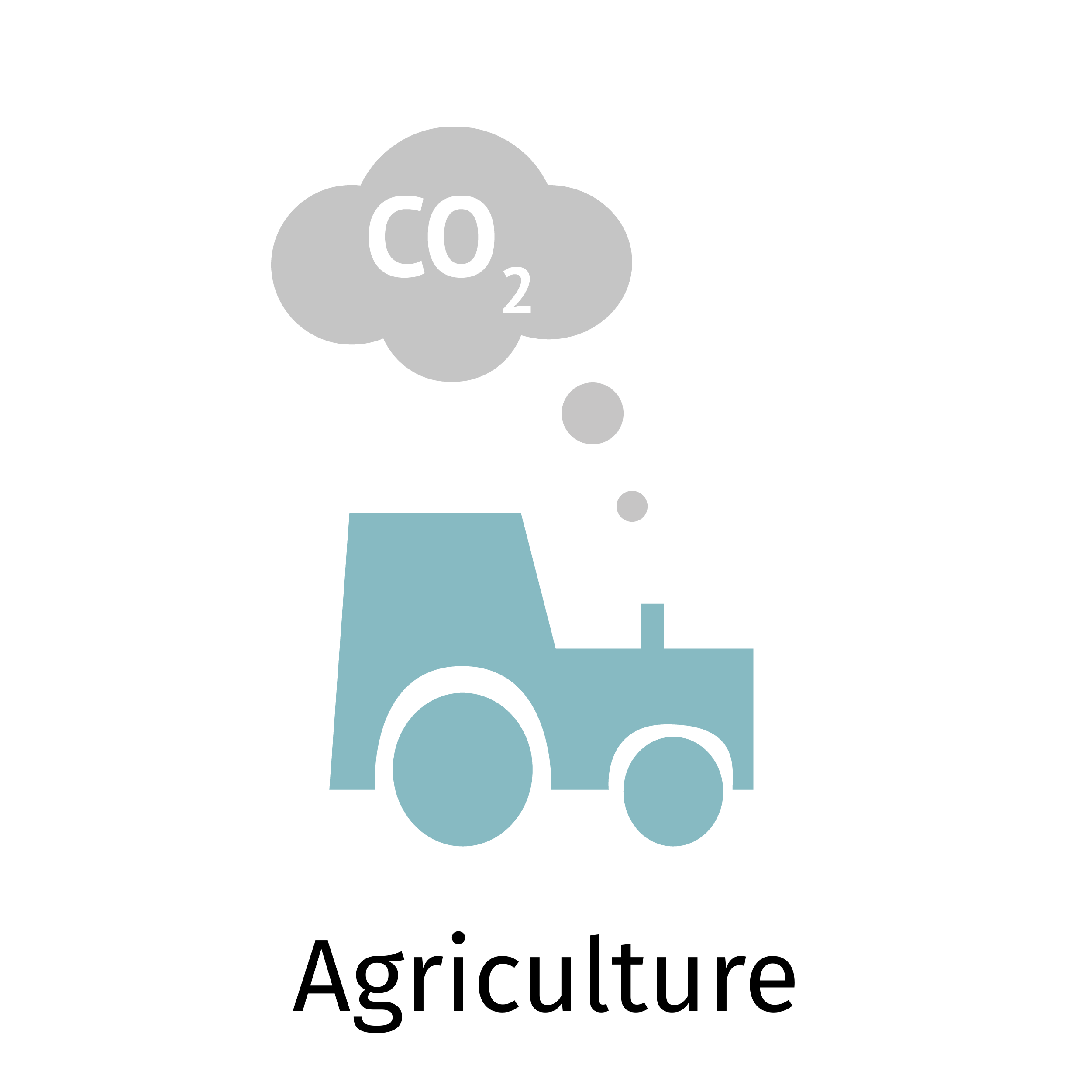
Fuel for machinery, fertiliser (GHG nitrous oxide), rice paddies and digestion in cows (GHG methane), use of water and soil
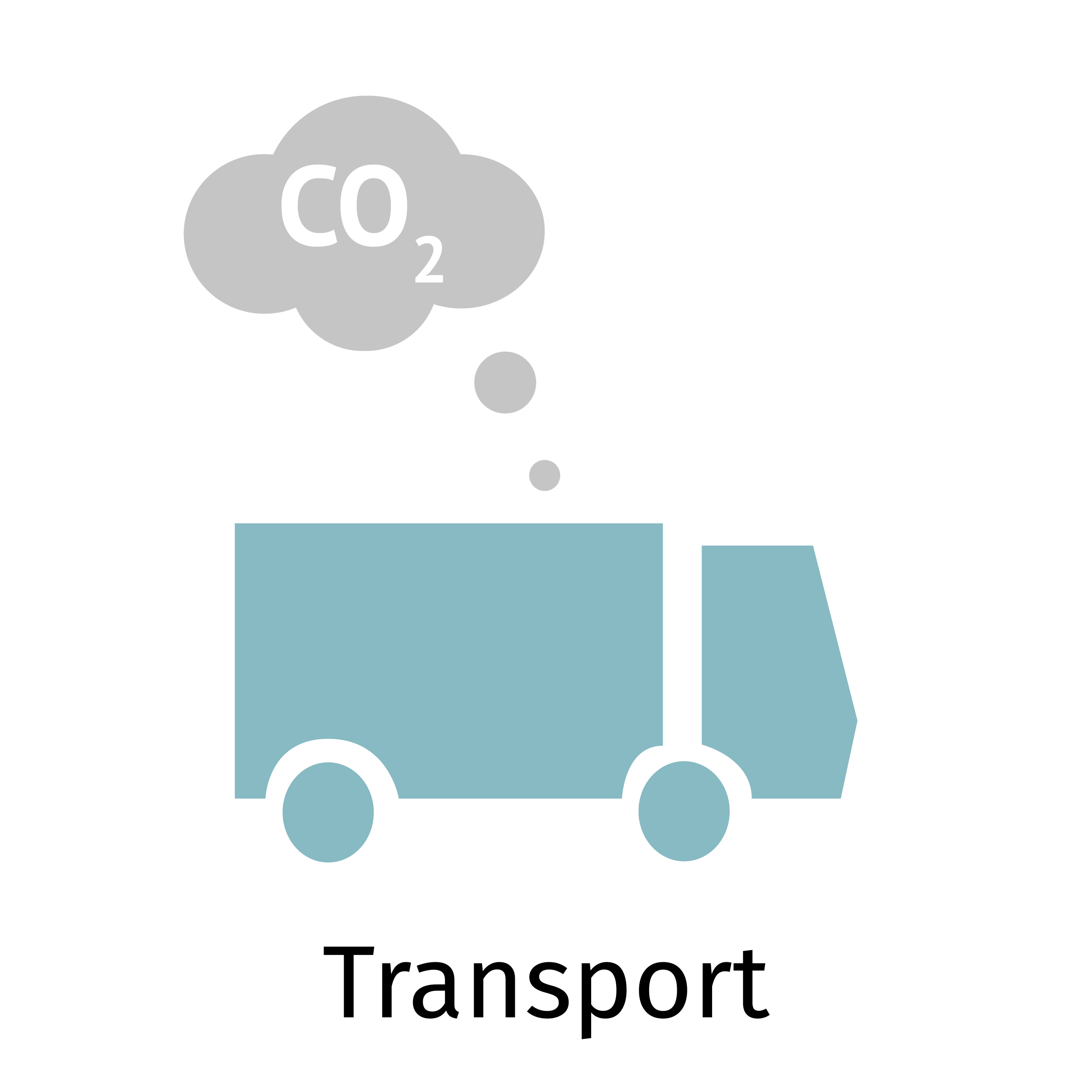
Fuel for vehicles, electricity for refrigeration
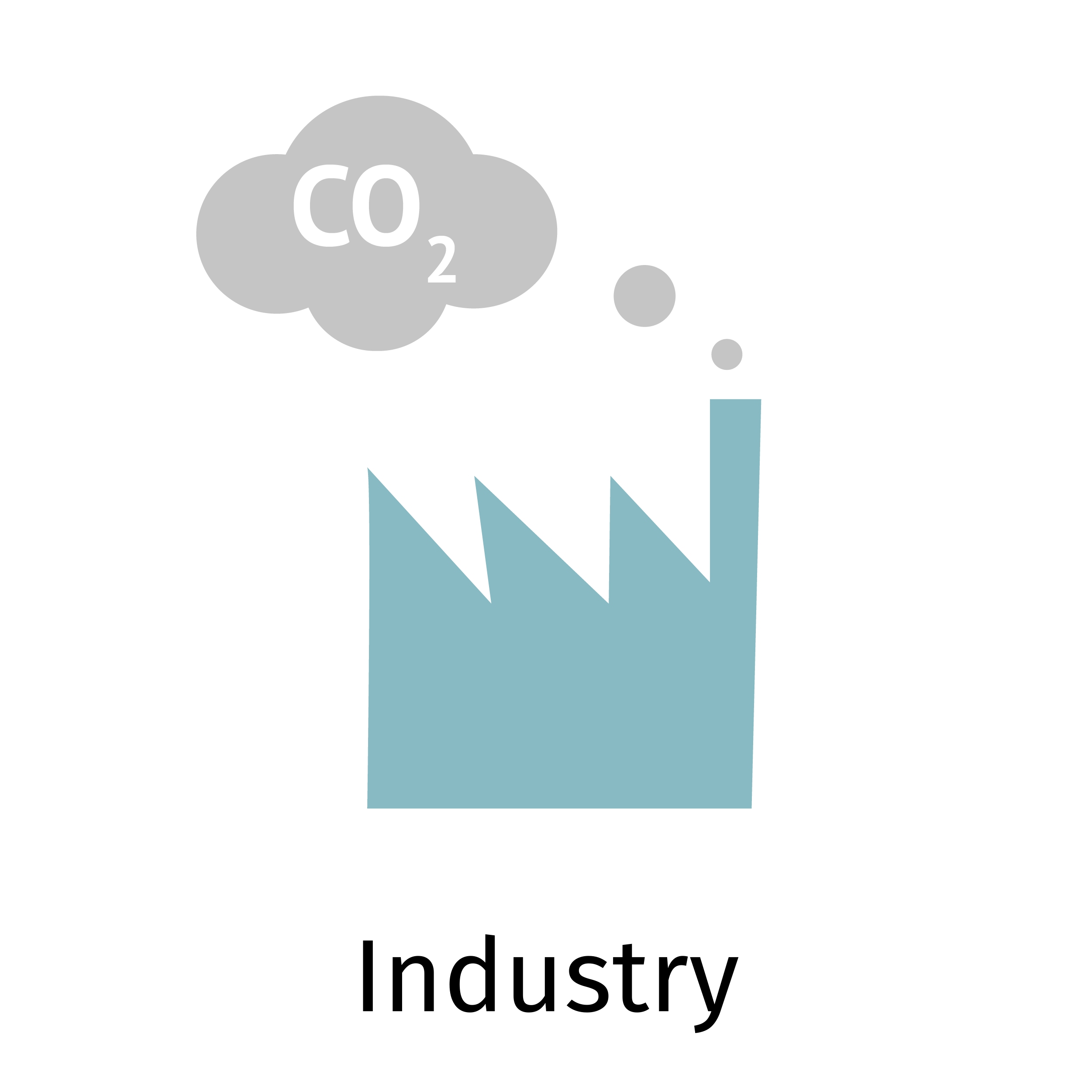
Electricity for storage and processing (e.g. cutting, precooking and freezing), packaging material
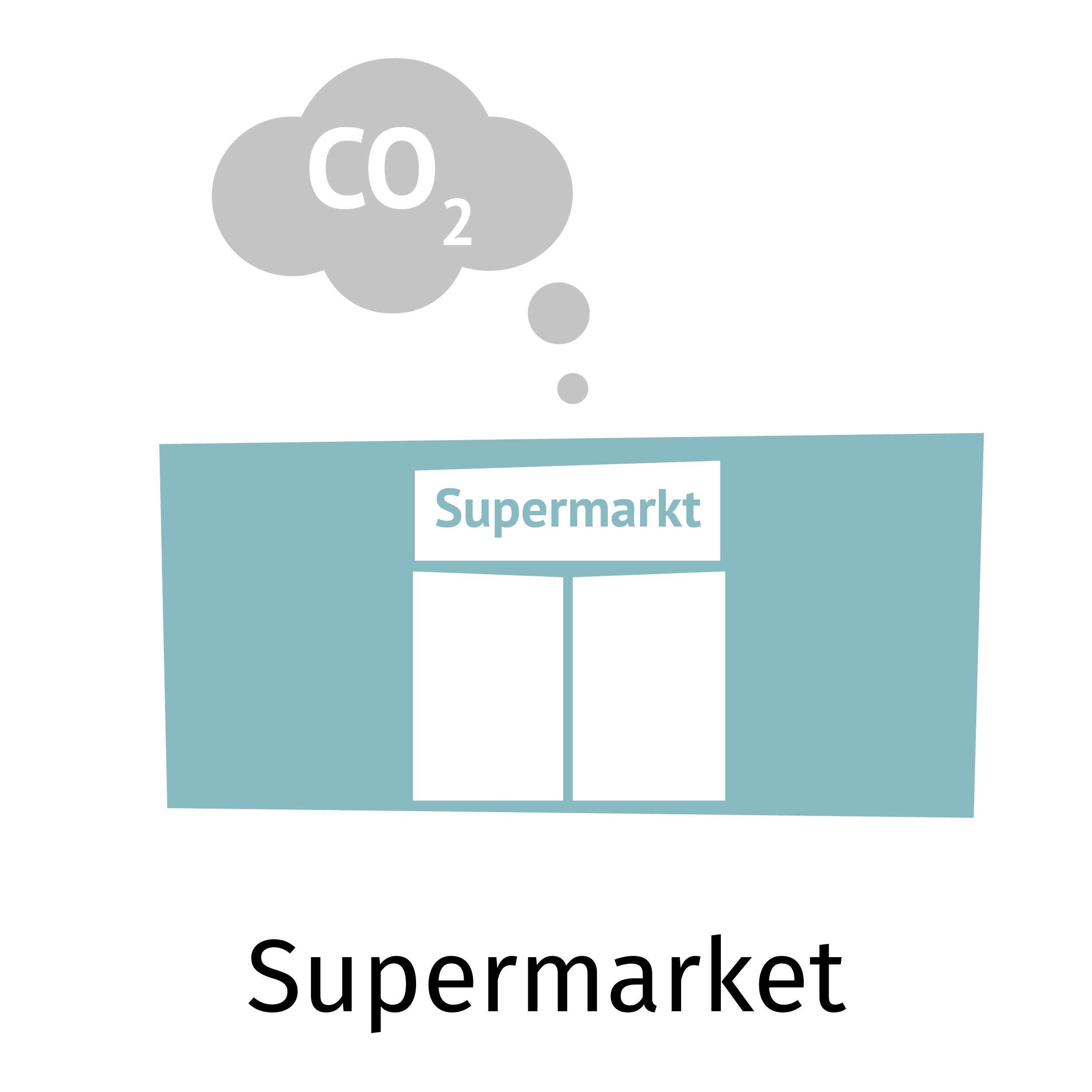
Electricity for lighting and refrigeration, fuel
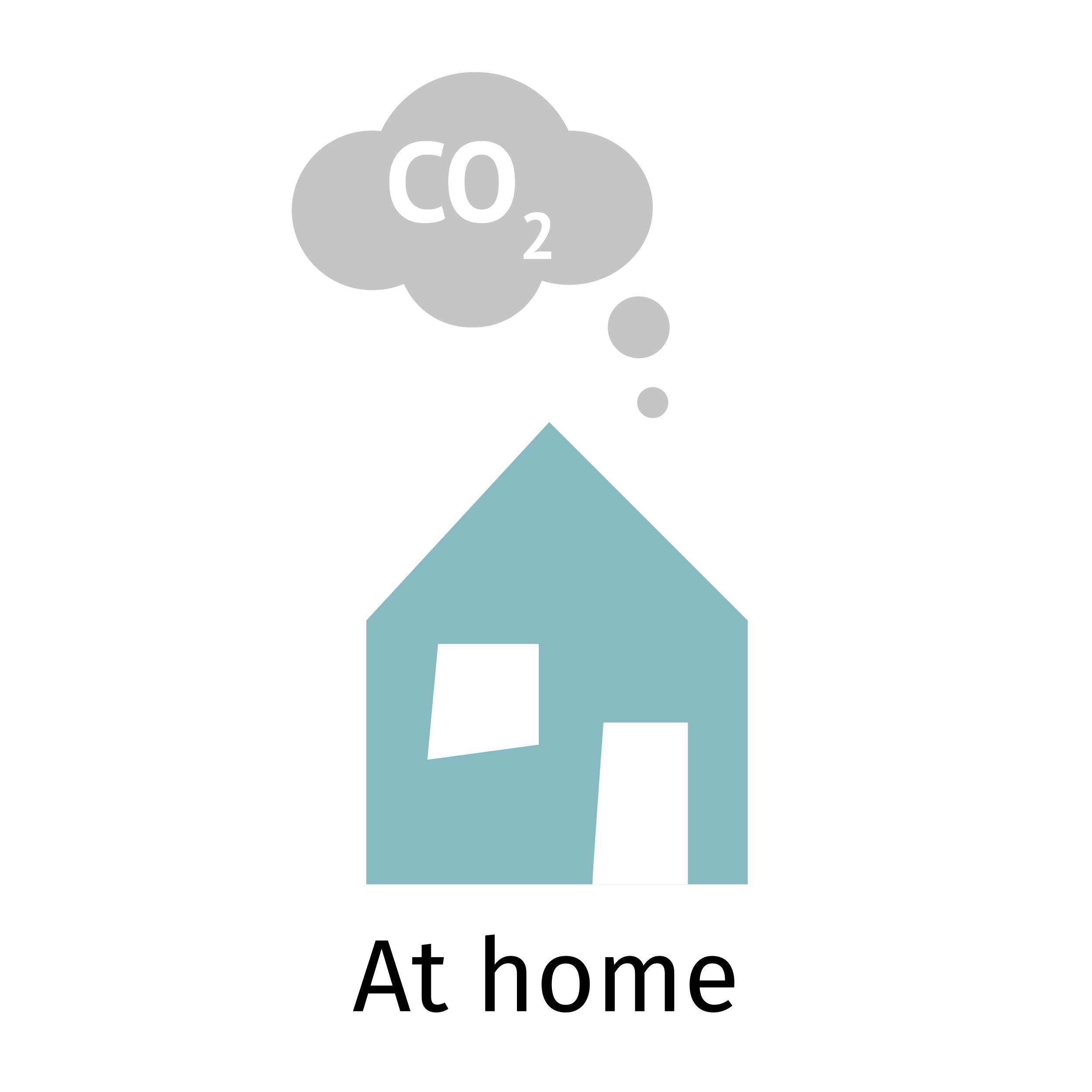
Transporting shopping, electricity for storage and cooking, washing up
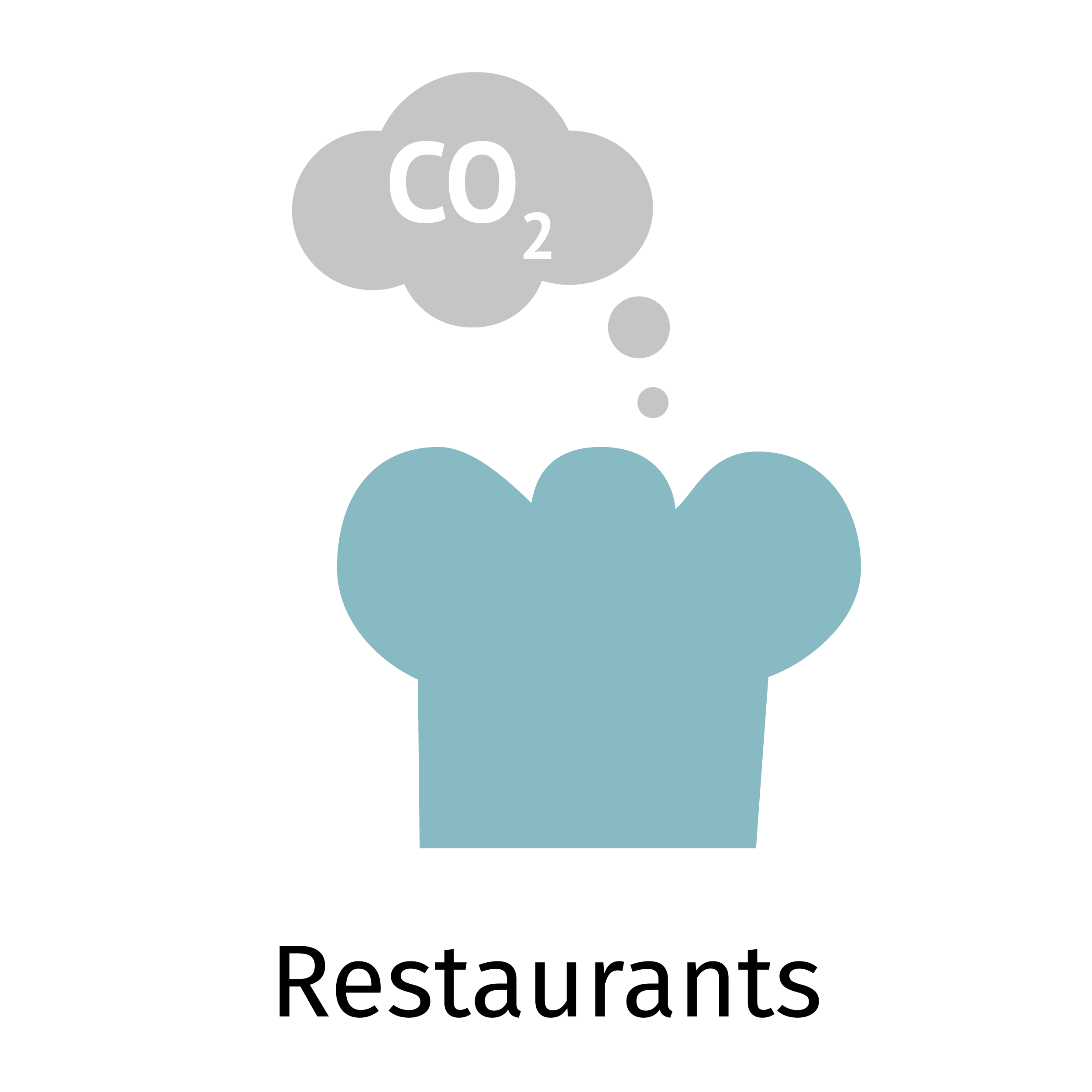
Electricity for lighting, refrigeration, cooking, fuel for deliveries
Quiz: do you know where most food waste is produced?
And what do you think – at which stage of the food chain is how much food waste produced? Think of the weight of all waste that could be avoided.
Make your own estimate first. The answer follows in the next section.
Different studies give very different figures for the amount of food waste at each stage. But all of them find that households produce the most food waste. Does that surprise you?
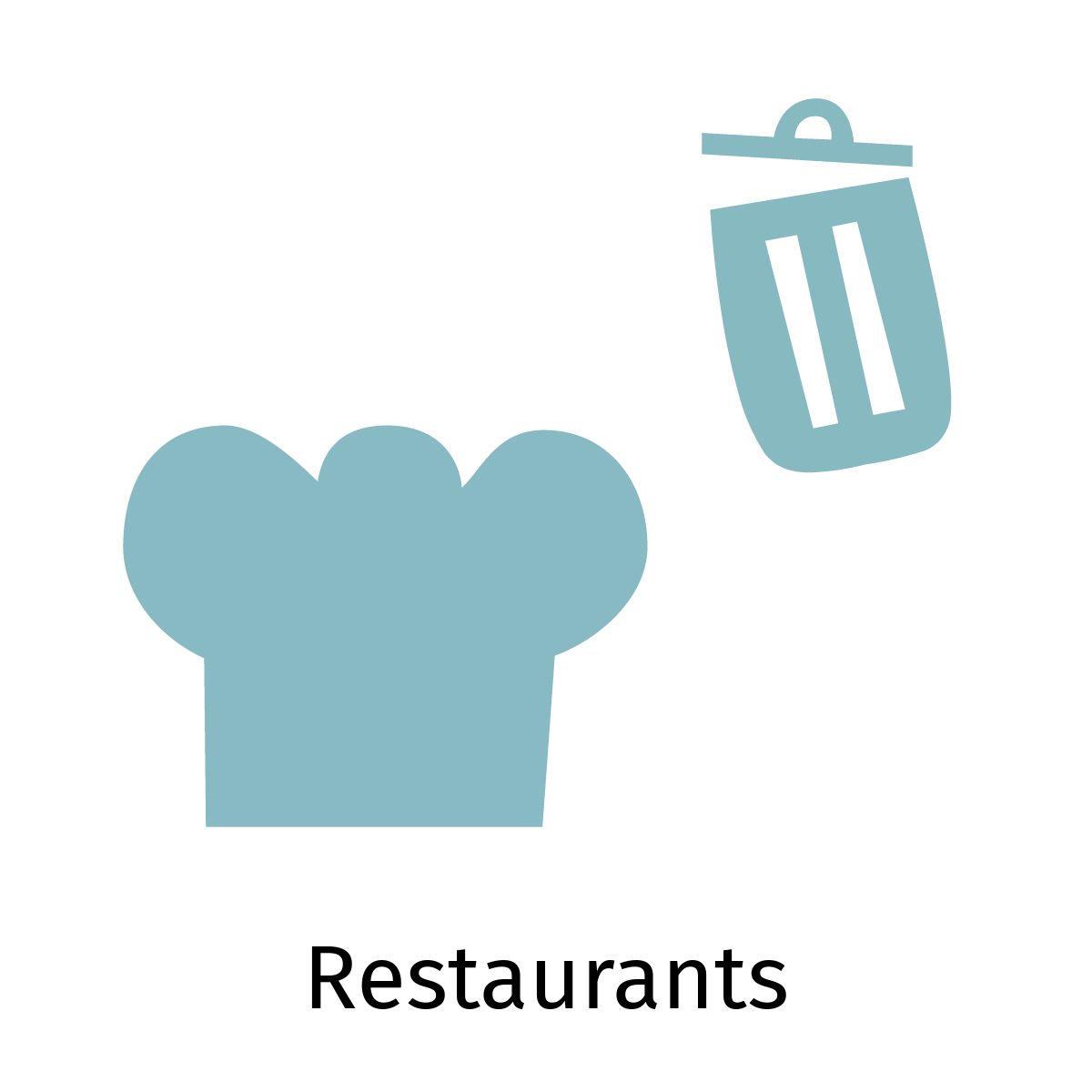
Wrong storage; demand difficult to calculate; hygiene and safety regulations
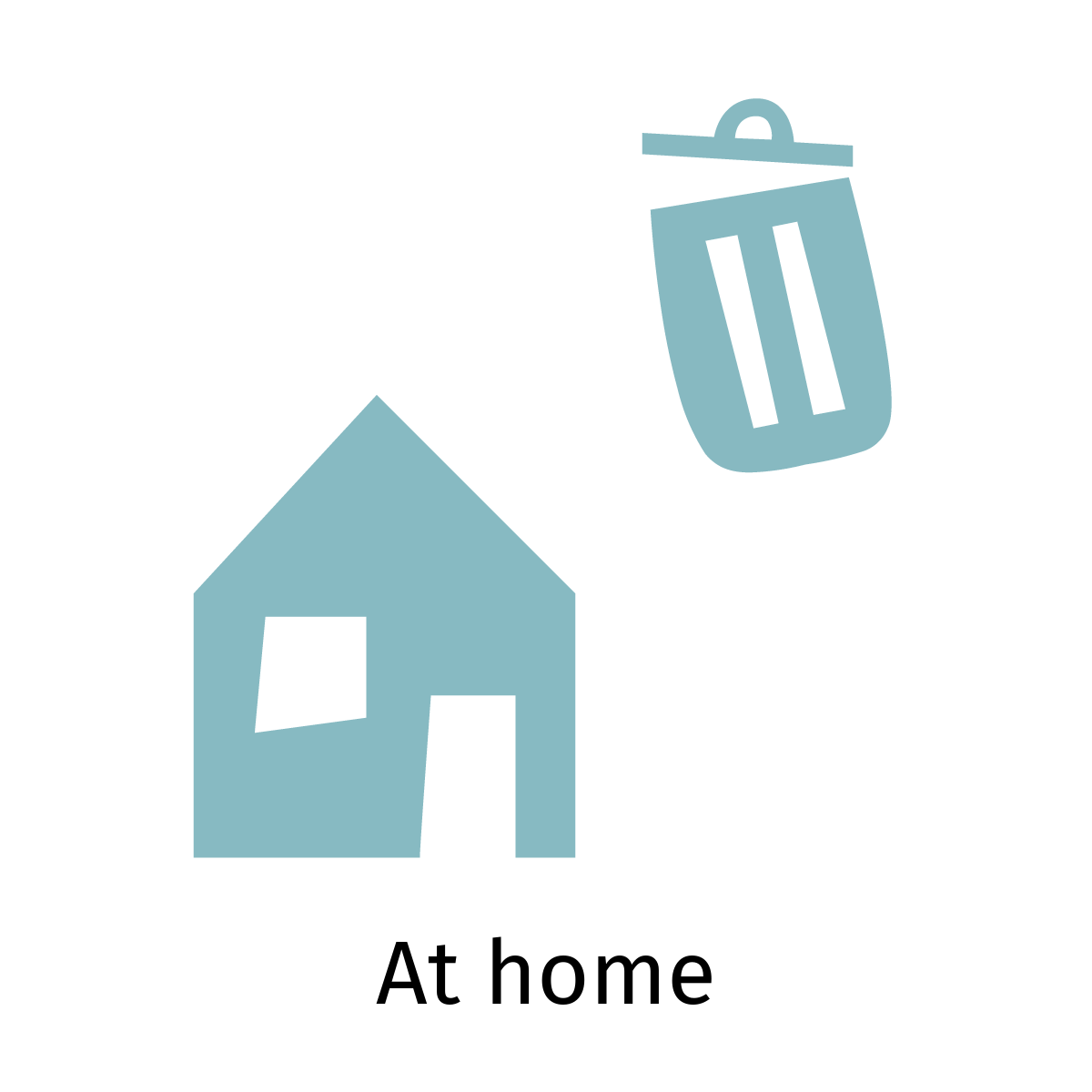
Lack of knowledge and little appreciation – find out more about the reasons for household waste here!
Sorting out according to quality standards; overproduction; damage to food during storage; technical faults
Customers’ expectations of quality and freshness; hygiene and quality standards (e.g. best-before date); product variety and marketing
Power cuts affecting refrigeration; damage during transport
Weather; animal and plant diseases; mechanical harvesting methods; too few buyers when the harvest is good
The figures on the climate impact of food waste used here come from the Zurich research team led by Claudio Beretta. For Switzerland, they calculated that 116 kg of avoidable food waste per household end up in the bin every year. In Germany, the figures vary between 55 and 92 kilograms per person per year (more on this in our FAQ).
With each of these items of waste, not only valuable resources end up in the bin; the greenhouse gases produced in making the food were also produced “for nothing”. There is a lot you can do about this!
Why not investigate for yourself which food waste is produced in your home and why? The Food Waste Tracker helps you and also shows how big the impact of the waste on the climate is.
Food waste scale
Food waste can also be distinguished by the products it comes from, such as plant, dairy or meat products. These products are produced in very different ways. One thing is certain, though: all of them produce greenhouse gases that harm the climate before they end up on our plates or in the bin. Try out here which waste from which foods has a particularly high climate impact.
Tinned fruit Other fresh fruit Apples Potatoes Maize Sugar Storable vegetables Processed vegetables Bread and baked goods Exotic fruit and berries Other plant products Pasta Milk Butter Other products and inseparable items Fresh vegetables Other dairy and egg products Oils, fats, nuts, seeds Rice Fish, seafood Cheese Eggs Pork Cocoa, coffee, tea Other meat and fish products Poultry Beef, veal and horse meat What can you do about this climate-damaging food waste in your household?
» continue to the chapter “Reasons + reduction strategies“
Reasons and reduction strategies
What can I do about food waste myself?
Food waste is produced in the household for many different reasons. The good news: you can do something about most of them yourself!
1. Check in the Food Waste Tracker which reasons in your household
- occur particularly often
- cause a lot of waste
- and greenhouse gases.
2. In the list below, click on a reason to find out how you can take action yourself.
Personal attitude
Food is valuable in many respects: it is what keeps us alive, and it contains valuable resources such as water, energy, healthy soils and the work of many people needed to produce, process and transport it. Sometimes it already helps to be aware of the value that food actually has before it goes in the bin.
… because the food no longer looked fresh.
… because the food had gone mouldy.
… because we don’t eat that at home.
… because the best-before date had passed.
Cooking & eating
Sometimes we have cooked more than we can or want to eat. A luxury problem, isn’t it? Usually, paying attention and your own experience help to prevent the problem. After all, it’s a shame to throw away food into which not only valuable natural resources but also our time and energy have gone.
… because too much was cooked.
… because the food doesn’t taste good.
… because there was no time or desire to eat or cook it.
Shopping
The first trap that leads to throwing food away lies in wait when we go shopping. We rush into the supermarket without knowing what we really need. Often we simply grab what looks most delicious. But that is not necessarily what we really need. This means that too many or exotic products quickly end up in our fridge, for which we don’t always have a use. We let ourselves be tempted by special offers, family packs and discount promotions. The simple question often helps: do I really need this?
… because too much was bought.
… because the pack bought contained too much.
… because it was already spoiled when bought.
Storage
Proper storage is often the first step towards avoiding waste. It is often small but crucial hygiene rules that make food keep longer. But even if everything is stored perfectly, regular checks are needed (not only before shopping).
… because the food was overlooked or forgotten.
… because the food was stored in a way that made it spoil faster.
Other
… because it fell on the floor or got burnt.
Options for action beyond the home
Greenhouse gases are produced whenever food is produced or consumed along the so-called food chain. There are many ways of avoiding waste in the process, and you can take part too! Here, initiatives in Germany that rescue and pass on food introduce themselves.
SIRPLUS
In its rescue markets and online shop, SIRPLUS sells surplus food and products that are perfectly good to eat but were sorted out by farms, wholesalers, producers or manufacturers. Rescue food and find out more on the website.
Visit websiteEtepetete
Etepetete is an online retailer of fruit and vegetables that would otherwise not reach the shops because of their appearance. The produce has small blemishes, slight bruises or does not meet the EU standards for the shape of fruit and vegetables. Working with a network of organic farmers, the products are delivered climate-neutrally to households in recyclable, plastic-free boxes.
Visit websiteFoodsharing
Foodsharing is an online platform for distributing surplus food from private households or food businesses. Organised in local initiatives, volunteer “foodsharers” collect food that would otherwise be thrown away from retailers and producers and pass it on via open food shelves, known as “Fair-Teiler”.
Visit websiteQuerfeld
Querfeld delivers natural diversity: high-quality organic fruit and vegetables that are sorted out at harvest because they do not meet retailers’ ideas of how produce should look. Yet taste is not a question of appearance. Querfeld’s vision: a fair and sustainable food supply for everyone.
Visit websiteToo Good To Go
Via the app “Too Good To Go”, food businesses such as restaurants, bakeries, cafés, hotels and supermarkets can offer their surplus food at a reduced price to customers who collect it. Customers can see participating businesses and the food on offer nearby in the app, buy directly in the app and collect in the shop. Rescuing food can be that easy.
Visit websiteRESTLOS GLÜCKLICH e. V.
RESTLOS GLÜCKLICH works for greater appreciation and more conscious consumption of food. The association offers educational projects and hands-on activities such as free workshops for daycare centres and schools or cooking workshops for teams, in which rescued food is cooked and useful tips for handling food more sustainably are given.
Visit websiteWirf mich nicht weg
This is an educational campaign against food waste that offers project days at primary schools across Germany. The website offers practical tips, recipes and further information, and there is also the “Wirf mich nicht weg” podcast. The programme is run by the Regional Environmental Centre (RUZ) Hollen.
Visit websiteZu gut für die Tonne!
This initiative of the German Federal Ministry of Food and Agriculture raises awareness of more sustainable ways of handling food, with the aim of halving per capita food waste by 2030. It addresses not only consumers but also agriculture, production and retail.
Visit websiteTafel
The Tafel is a charitable organisation that distributes food to socially and economically disadvantaged people. The Tafeln are organised locally and rely on volunteers who collect surplus food from food businesses and pass it on free of charge or for a small fee.
Visit websiteRestlos genießen
The campaign “Restlos genießen” (enjoy without leftovers) aims to reduce food waste in restaurants by letting guests take leftover food home in a “Beste-Reste-Box” (best leftovers box), which the campaign hopes will become a regular part of restaurant culture. It was initiated by the association Greentable, which promotes sustainability in the restaurant sector, and the initiative “Zu gut für die Tonne!” of the German Federal Ministry of Food and Agriculture.
View archived versionFrequently asked questions
Why should I avoid food waste?
What exactly is food waste?
What are greenhouse gases?
What is the greenhouse effect?
What does CO₂eq mean?
How much food waste is there in German households?
What can I do to reduce food waste?
Where do the data for the Food Waste Tracker come from?
Sources
Beretta, C., Stucki, M., Hellweg, S. (2017): Environmental Impacts and Hotspots of Food Losses: Value Chain Analysis of Swiss Food Consumption. In: Environmental Science and Technology (2017), 51, 11165−11173
GfK (2017): Systematische Erfassung von Lebensmittelabfällen der privaten Haushalte in Deutschland. Schlussbericht zur Studie. Durchgeführt für das Bundesministerium für Ernährung und Landwirtschaft. Verfügbar unter: https://www.zugutfuerdietonne.de/fileadmin/zgfdt/inhalt/daten/GfK-Studie.pdf [05.11.2026]
Kranert et al. (2012): Ermittlung der weggeworfenen Lebensmittelmengen und Vorschläge zur Verminderung der Wegwerfrate bei Lebensmitteln in Deutschland. Stuttgart.
Schmidt, T. et al. (2019): Wege zur Reduzierung von Lebensmittelabfällen – Pathways to reduce food waste (REFOWAS). Maßnahmen, Bewertungsrahmen und Analysewerkzeuge sowie zukunftsfähige Ansätze für einen nachhaltigen Umgang mit Lebensmitteln unter Einbindung sozio-ökologischer Innovationen. Braunschweig: Johann Heinrich von Thünen-Institut, Thünen Rep 73, Vol. 1. Verfügbar unter: https://www.thuenen.de/media/publikationen/thuenen-report/Thuenen-Report_73_Vol1.pdf [17.07.2020]
TheConsumerView GmbH (2011): Das Wegwerfen von Lebensmitteln – Einstellungen und Verhaltensmuster. Quantitative Studie in deutschen Privathaushalten. Durchgeführt für Cofresco GmbH. Verfügbar unter: https://web.archive.org/web/20220121231820/https://www.wirf-mich-nicht-weg.de/wp-content/uploads/2018/12/Save-Food-Studie-Ergebnisse.pdf [05.11.2026]
Website of the German Environment Agency (in German): https://www.umweltbundesamt.de/ [17.07.2020]
WWF Deutschland (2015): Das große Wegschmeißen – Vom Acker bis zum Verbraucher. Ausmaß und Umwelteffekte der Lebensmittelverschwendung in Deutschland. Berlin.