From Lecture Hall to Garden Bed: Leuphana's New CampusAckerdemie
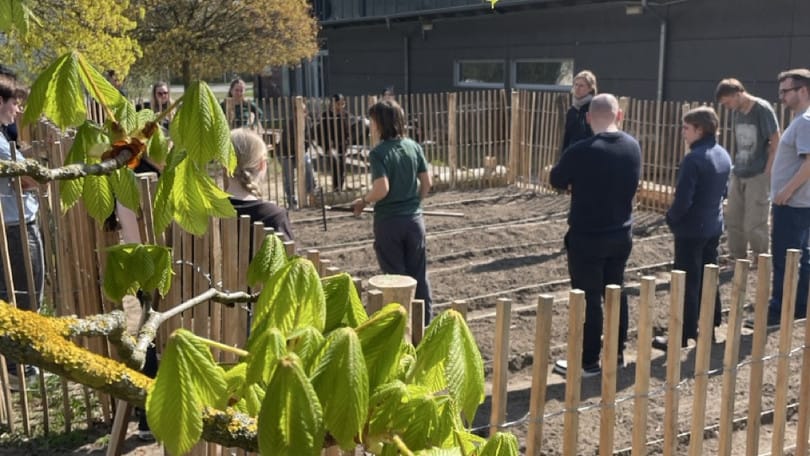
Cheerful chatter mixes with birdsong on a sunny spring morning as Leuphana teacher-training students set the first plants into the soil. Since March 2026, a roughly 50-square-metre plot has taken shape close to the university's central building: the CampusAckerdemie, a new teaching garden where students learn how to run a school garden — and, in time, how to tend a vegetable plot together with their own pupils.
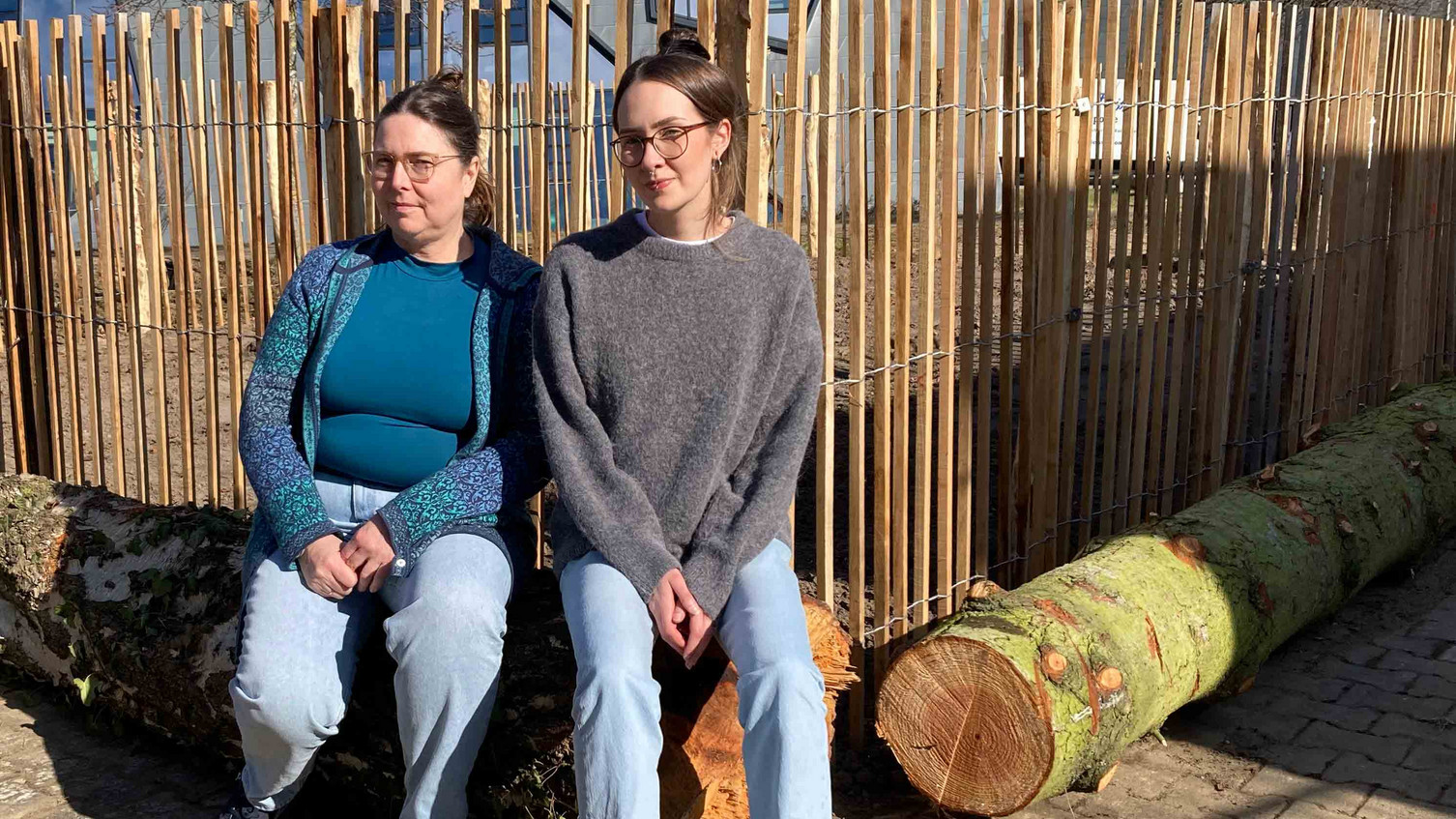
Two teacher-training seminars opened the 2026 summer semester on the new plot — one in general science education (Sachunterricht), the other in biology — led by Dr. Sabine Richter of the Sustainability Education and Transdisciplinary Research Institute (SETRI) and Nina Janßen of the Chemistry Institute. Katja Frielinghaus, a volunteer "Ackercoach" from the non-profit association Acker, guides the group: which plants and seeds to use, how far apart to space the rows, and gardening lore such as the old rule that hoeing once saves watering three times. Along the way, students pick up the agricultural basics of growing vegetables and the skills to set up and look after a garden as a hands-on learning site at schools and kindergartens.
The CampusAckerdemie is part of a programme run by the non-profit Acker e.V., which approached Leuphana's Faculty of Sustainability with the aim of establishing campus gardens at universities that train teachers. The association helps with everything from choosing the site to setting up the plot, and supplies a tested seminar plan, learning journals and an online platform. The groundwork — unsealing the former paved area near the old Vamos site, exchanging the soil, building the fence and laying the water connection — was financed through Leuphana's climate action fund, which channels compensation payments for work-related travel into climate projects on campus; the CampusAckerdemie is one of its first two. Garden tools, raised beds and Leuphana's own share of the programme costs are covered by the Bingo Environmental Foundation.
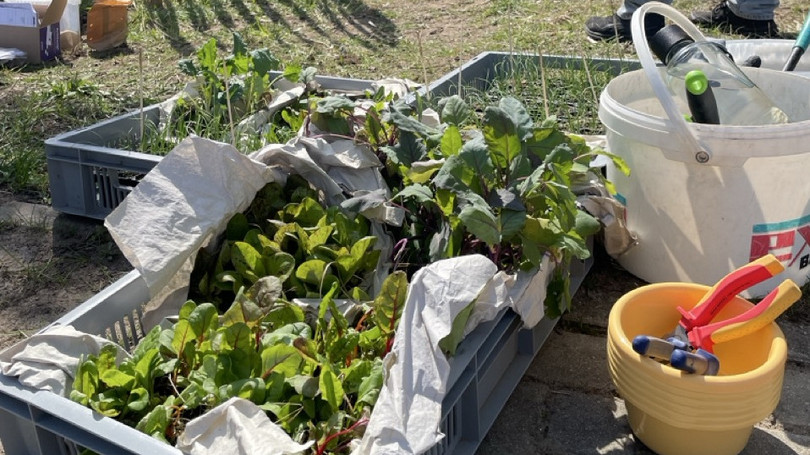
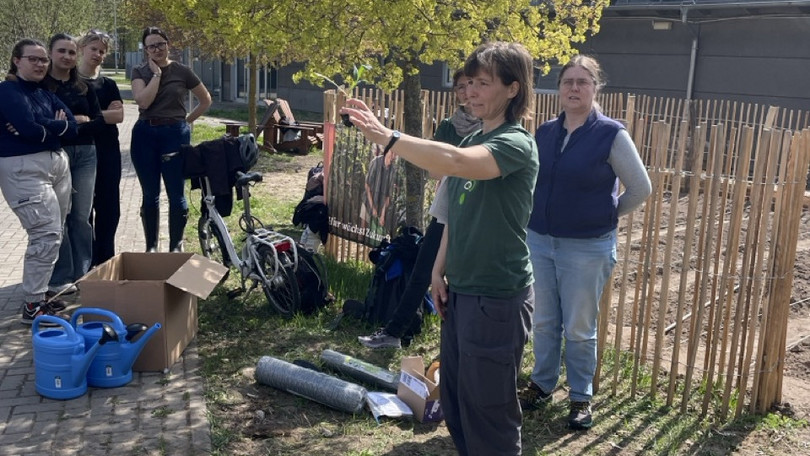
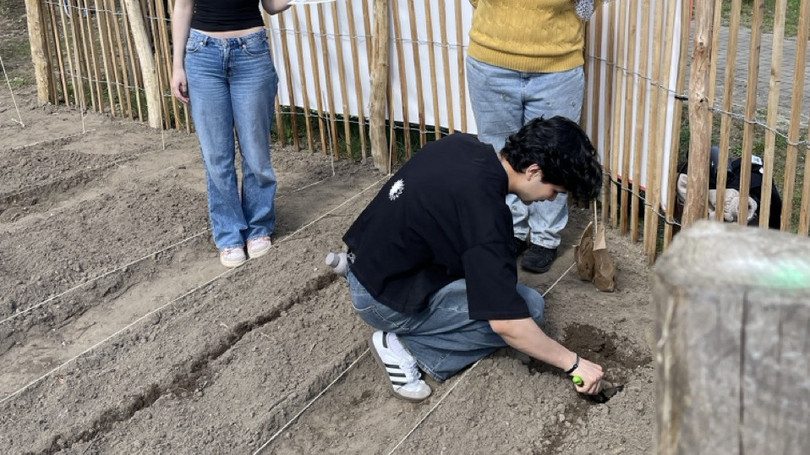
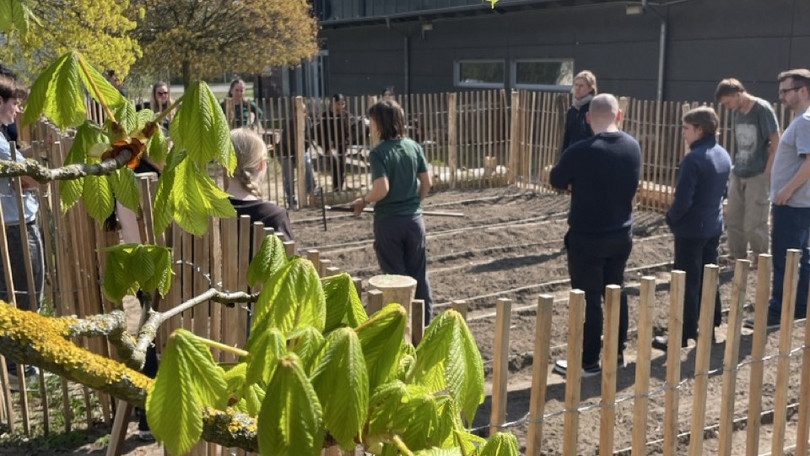
Teacher-training students planting the first vegetables at the CampusAckerdemie. (©Jennifer Fandrich/Leuphana)
Future teachers are the main audience, and over time students of environmental and sustainability sciences will be able to engage with school gardening and education for sustainable development as well. The seminars now meet weekly on the plot, and once the first kohlrabi, lettuce and peas are ready in early summer, the students will have built their own connection to where food comes from — one they can carry into their future classrooms when their pupils plant a school garden of their own.
Find out more: The CampusAckerdemie programme by Acker e.V.
Text based on press release by Jennifer Fandrich.
This project was funded by Bingo Environmental Stiftung (Bingo Umweltstiftung).