Visit to Cugir/Romania, a UNESCO Learning City
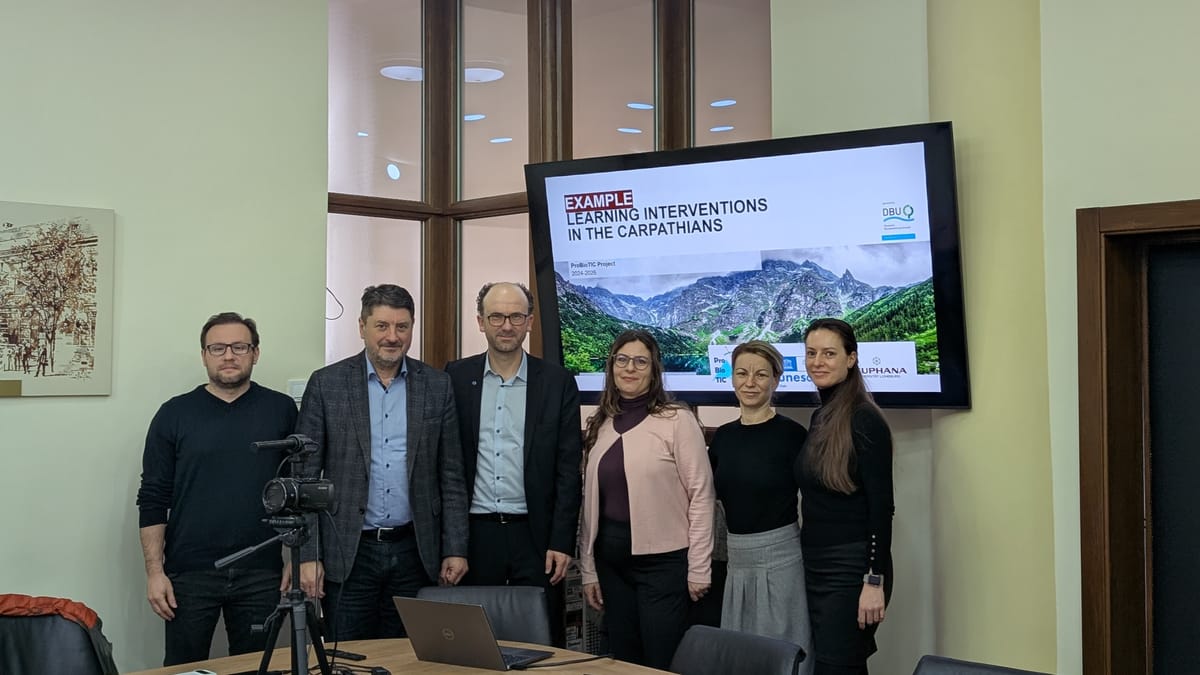
A recent visit to Cugir, Romania, by Prof. Dr. Daniel Fischer, Chairholder of the UNESCO Chair in "Higher Education for Sustainable Development" at Leuphana University Lüneburg, highlighted the city’s remarkable journey from industrial heritage to a vibrant, community-centered Learning City.
Located in the heart of Transylvania, Cugir—home to approximately 18,000 residents—has long been associated with arms manufacturing. Today, the city is undergoing a meaningful transformation, guided by principles of sustainability, inclusion, and lifelong learning as part of UNESCO’s Global Network of Learning Cities.
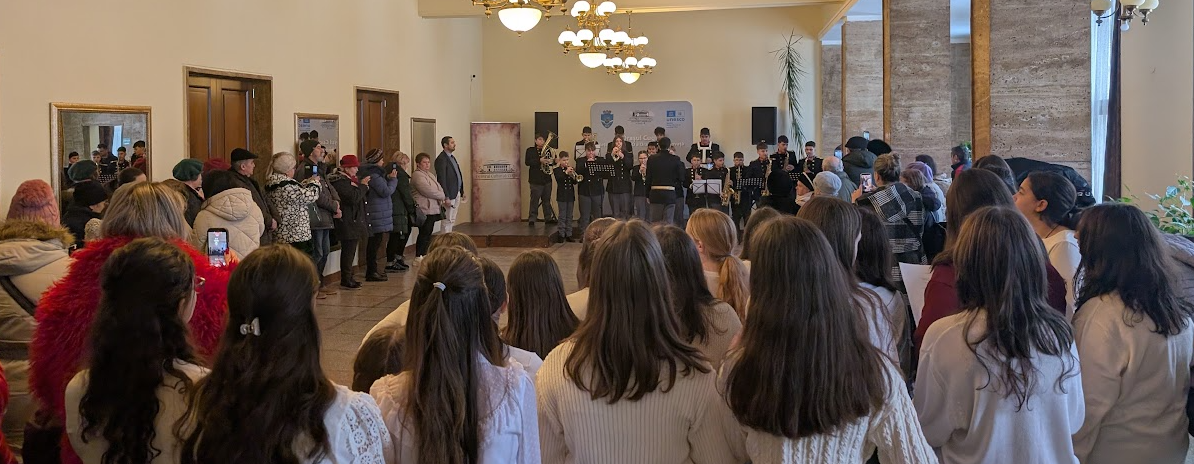
The visit provided several learnings, for example on Cugir’s innovative approach to social cohesion, particularly through its intentional intergenerational learning initiatives.
- Elderly residents actively engage with youth, sharing local history, traditions, and cultural knowledge. In turn, younger generations support older citizens in using digital tools and modern technologies. This reciprocal exchange strengthens community identity, fosters mutual respect, and ensures that heritage is preserved through lived experience.
- Equally notable is Cugir’s commitment to public space and civic life. Each summer, the city center becomes a car-free zone, transformed into a shared space for music, games, food, and community gatherings. These events serve as vital platforms for connection, helping to rebuild social ties in an increasingly fragmented urban landscape.
During the visit, Daniel also presented insights from the ProBioTIC project, funded by the German Foundation for Environment, which investigates how traditional pastoralism in the Carpathians supports biodiversity, soil health, and cultural continuity. A student-led initiative from Leuphana University developed educational tools to raise awareness among tourists about the ecological and cultural value of these practices.
Discussions followed on potential collaboration between Leuphana and local stakeholders in Cugir, aiming to integrate academic research into regional sustainability efforts.
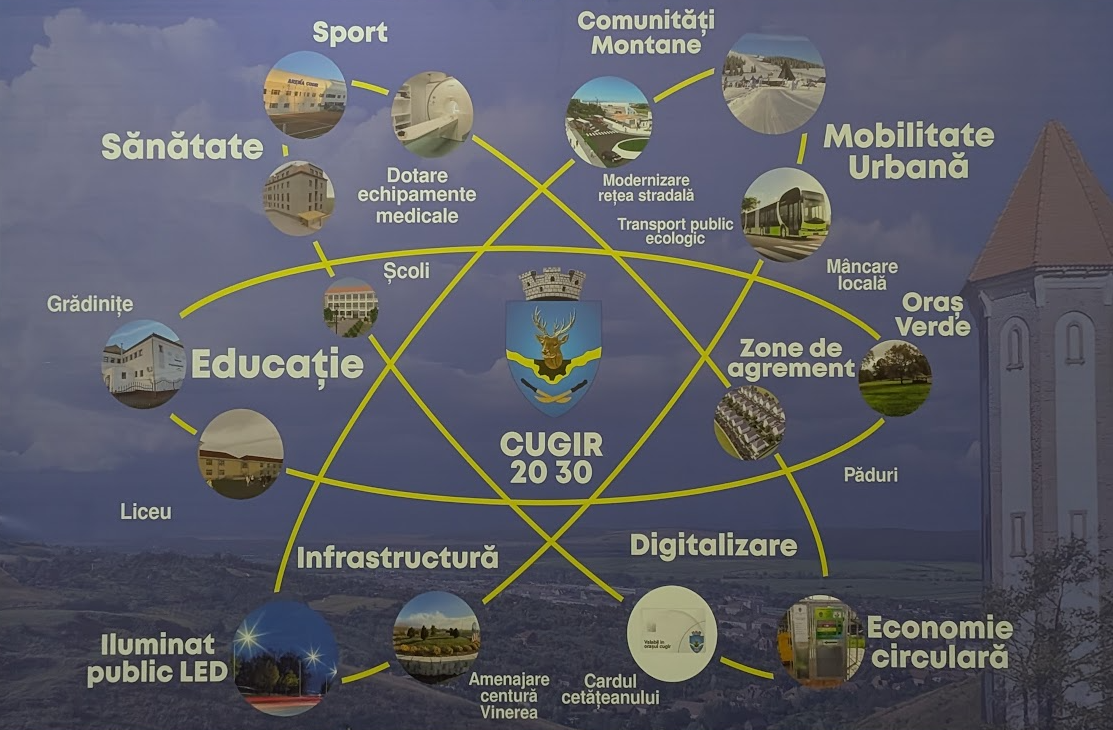
The visit reinforced the importance of learning as a catalyst for urban resilience and social innovation. Cugir’s model demonstrates how cities can evolve not through top-down planning alone, but through inclusive, participatory processes that value knowledge, tradition, and community.
Daniel expressed appreciation to Mayor Adrian Teban and the Cugir municipal team for their hospitality and vision. Special thanks were extended to Diane Dobrean, UNESCO Learning City Manager, for her guidance and collaborative spirit.
Cugir stands as a compelling example of how cities can become living laboratories for sustainable development—where learning, heritage, and community are at the heart of transformation.