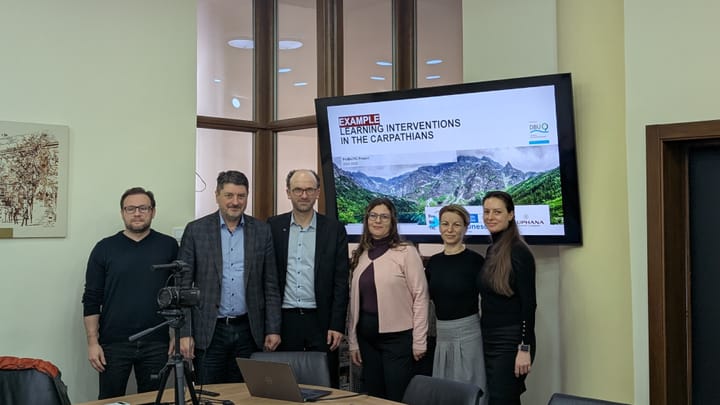
The 8th Forum Carpaticum, held from 9 to 11 September 2025 in Bratislava, Slovakia, brought together researchers, policymakers, and civil society actors to advance sustainable development across the Carpathian region.
Under the theme “Taking stock and building partnership for sustainable development of mountain and rural areas,” the conference explored the intersection of the region’s social, political, environmental, and economic challenges and placed special emphasis on two sub-themes central to the Carpathians’ future:
- Building capabilities and fostering the participation of vulnerable and marginalised groups in rural and mountain areas through the social and solidarity economy (SSE).
- Promoting transdisciplinary, impact-driven research that integrates natural and social sciences
ProBioTIC and student participation in the Forum
ProBioTIC participated actively in the forum, with Senan Gardiner presenting on the project’s transdisciplinary approach and its relevance for sustainability challenges in the Carpathians. The students’ seminar projects were showcased during the conference’s side event, the “Carpathian Fair,” where they engaged with researchers, practitioners, and policymakers.
One of the student presenters, Kevin Hecht, shared insights from his group’s project on Citizen Science in the Carpathians, which emerged after the team identified a major gap in the region: the lack of connection and visibility between existing citizen science initiatives. After several interviews with stakeholders, the group proposed developing a centralised network of citizen science projects, where researchers and participants across the region can exchange knowledge and share updates.
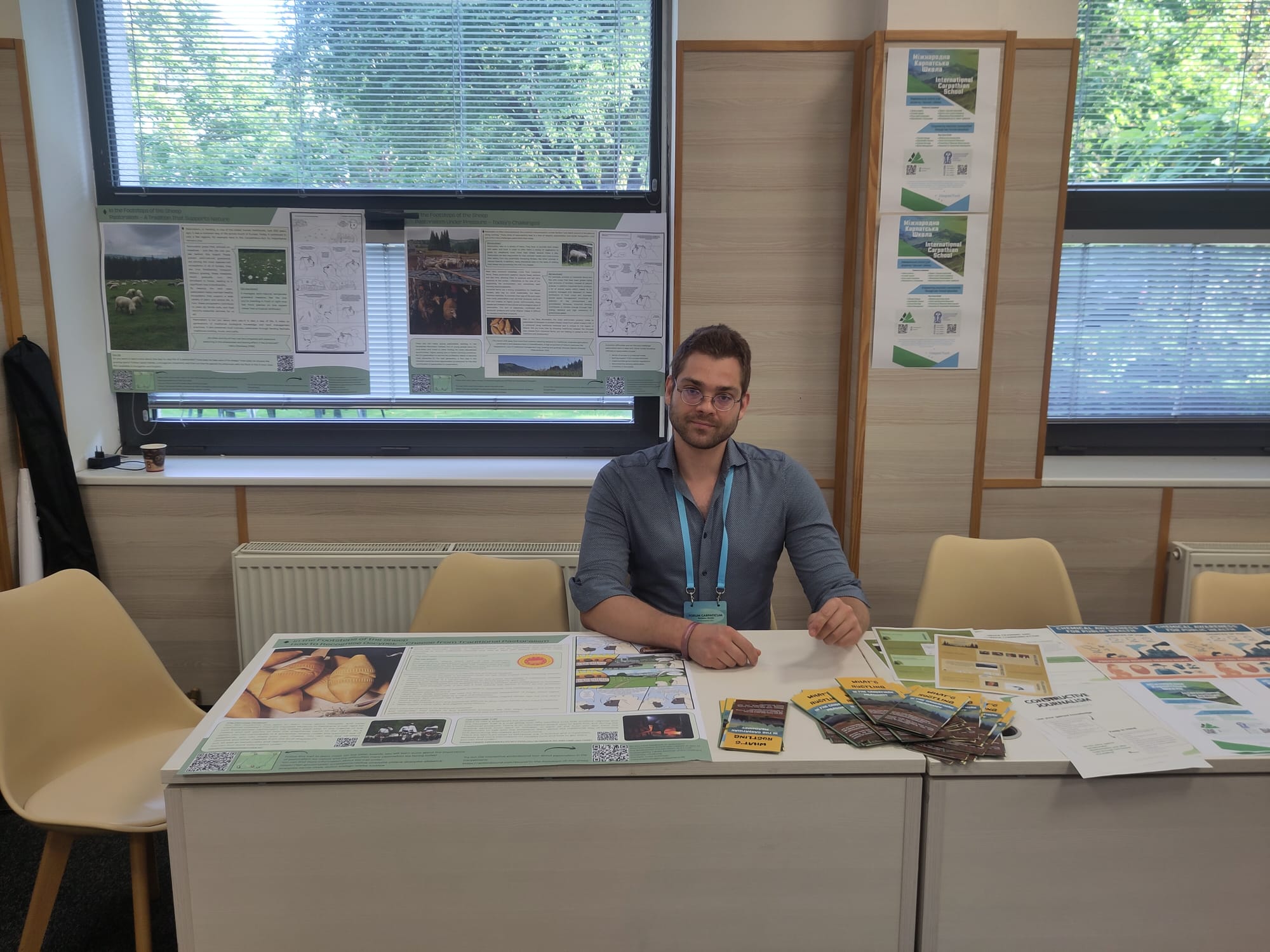
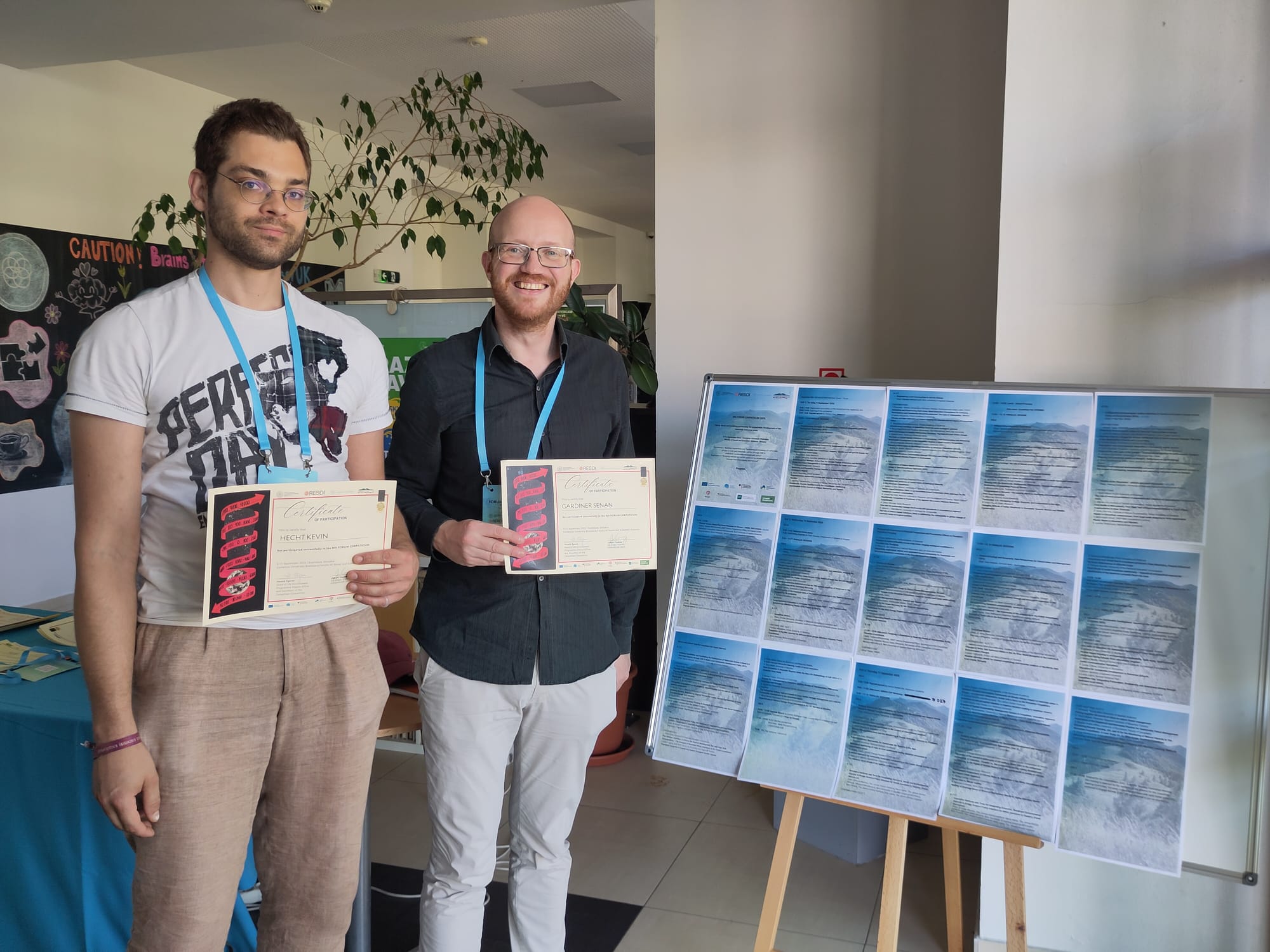
On the left: Kevin Hecht presenting student projects during Forum Carpaticum's Carpathian Fair; on the right: Kevin Hecht (left) and Senan Gardiner (right) at Forum Carpaticum 2025. ©Senan Gardiner
For Kevin, participating in Forum Carpaticum was “engaging and empowering,” offering the chance to gather real-time feedback, connect with experts from across the region, and to realise the broader relevance of his team’s work. This experience has also helped them see how student-led ideas can contribute to larger policy conversations, encouraging them and their team to continue refining their project idea so it can better support knowledge exchange within the Carpathian Convention framework.
Contribution to the Carpathian Convention
The insights and recommendations from the ProBioTIC presentations and student contributions at Forum Carpaticum feed directly into the policy processes of the Carpathian Convention. The documented outcomes will be delivered to Dr. Tamara Mitrofanenko and shared with the Carpathian Convention Implementation Committee and later with two of the Convention's working groups: Biodiversity and Sustainable Agriculture and Rural Development (SARD).
These results will help inform future decisions of the Convention’s governing bodies. They will also be transformed into policy briefs and an action guide for regional decision-makers, to be disseminated through established networks in science and policymaking.